Conlan Mansfield Counselling
Counselling for neurodivergent adults
& people carrying trauma
A steady, collaborative space to think clearly, feel honestly, and find the next move that actually fits your life.Grounded, non-pathologizing, online across BC.
How I work
A grounded, collaborative approachTherapy with me is steady, respectful, and centred on what matters most to you.I don’t diagnose your personality or look for what’s “wrong.”We start from your strengths, your values, and where you want to go.
What we focus on
We stay close to your present experience — the pressures you're navigating, the responsibilities you're holding, the moments that feel heavy or unclear.From there, we look at the life you want to move toward: small signs of change, a sense of direction, conditions that help you feel more like yourself.And we pay careful attention to what's already working — the resilience, the anchors, the moments of clarity that are easy to overlook.
My style
I work in a way that's practical, concrete, and non-pathologizing. Sessions tend to feel calm and unhurried — focused without being heavy, supportive without pressure. Clients often tell me it's a place where they don't have to perform.
What the first few sessions look like
The first session is mostly about meeting each other. You tell me what brought you in, whatever shape it arrives — sometimes that's a clear concern, sometimes it's a harder-to-name sense that something needs attention. I listen, ask questions that try to be useful rather than exhaustive, and we get a feel for whether this is a good fit.The next session or two tend to be about getting oriented — what you're hoping might be different, what's already working that we don't want to lose, and what kind of pace feels right.
I don't use long intake forms or a battery of assessments. I'd rather spend that time actually talking with you.From there, the shape of the work follows what you need. Some people come for a focused stretch of six or eight sessions around a specific situation. Others stay longer, using the space as part of how they think and move through their life. Both are fine. We'll figure it out together.
Who this approach helps
Most of my clients are neurodivergent adults (autistic, ADHD, or still figuring it out) and people living with the effects of trauma. Often both. Many are capable, composed people who’ve been holding a lot for a long time.I also work with people navigating a complicated relationship with alcohol or substances, and those rebuilding in recovery who want a contemplative space rather than a clinical one.Read more about neurodivergence · Read more about trauma
If this feels like the right fit
I’d be glad to meet you and learn more about what you’re hoping for.
About Me
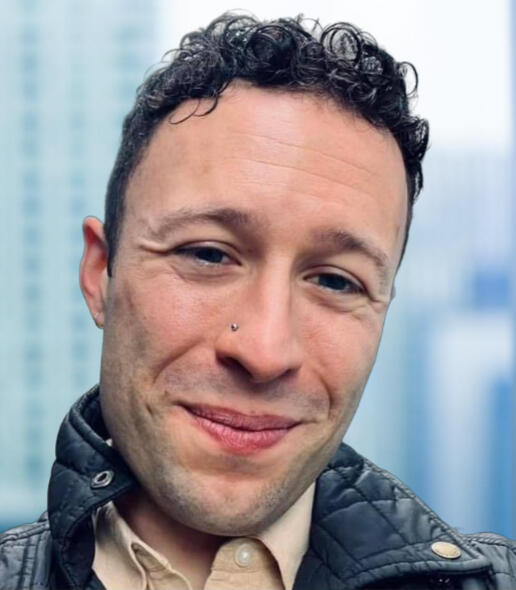
Hi, I’m Conlan.I’m a clinical counsellor based in Vancouver.My clients are often thoughtful, capable, people — the kind of others rely on.They’re used to holding things together.
They’re not used to having a space where they can set things down.That’s what I offer.
My Approach
I work from a grounded blend of Solution-Focused Therapy, which helps us find clarity, direction, and small steps that make a real difference, and Narrative Therapy, which helps us understand the stories shaping how you see yourself and where they came from. I listen with presence and curiosity, working from the belief that change emerges here, in this moment.For people living with PTSD & trauma, I offer Cognitive Processing Therapy (CPT), a structured, evidence-based approach. More on trauma workMy graduate training focused on what makes therapy actually work — not which model is fashionable, but the craft of responsiveness, collaboration, and fit. That interest still shapes how I practice.Our work together is practical and centred on what matters most to you. You won't find jargon or judgement. Just honest, steady conversations that help you see things more clearly.
Also worth knowing
I’m autistic, identified after years of getting by without the frame.It shapes how I practise: I say what I mean, and I don’t assume that coping well on the outside means everything’s fine underneath. More on working with an autistic counsellor
The rest of my work
My clinical background includes work in a public Vancouver Coastal Health substance use program. That work keeps me close to the realities of recovery, harm reduction, and the ways people rebuild — and it grounds everything I do in something
un-precious and real.
Outside of counselling
When I’m not working, I spend time training in fitness and martial arts, cooking, spoiling my cats, and studying philosophy.
Working with an autistic counsellor
I'm autistic.I'm sharing this here, on a page I pass along directly, because it's useful information rather than a headline. It shapes how I work, and knowing it may help you get more out of our time together.This page isn't a warning or a disclaimer.It's the kind of thing I'd want to know about anyone I was trusting with my story.
What you might notice
I say things plainly. If I think something, I'll usually just say it, gently. I'm not hiding a second meaning underneath.I may ask what you meant. When something could be read two ways, I'd rather check than guess. That isn't me missing the point. It's me making sure I've got your point, not mine.Eye contact may vary. Sometimes I'll look away while I'm listening closely. It usually means I'm paying more attention, not less.I sometimes pause before answering. I'm thinking, not stalled.
What I'll ask of you
Tell me directly if something doesn't land. A question that felt off, a word that didn't fit, a pace that's too fast. You won't hurt my feelings, and it helps.Say it out loud rather than hinting. I'll do my best to catch the unspoken, but the spoken version reaches me more reliably.Let me know your own preferences. Some people want more silence, some want more structure. Our work is a shared project, and we can shape it together.
What this does and doesn't mean
It doesn't mean I assume you're autistic, or that I only work with autistic clients.It does mean I bring lived experience to conversations about masking, sensory load, and being misread. You never need to explain those from scratch unless you want to.My training and approach are the same as always: collaborative, focused on what's already working for you and where you'd like things to go.
You're welcome to ask me anything about this page. I'll answer as plainly as I can.
Trauma & PTSD
For people living with the effects of something that happened: an accident, an assault, violence, a sudden loss, a frightening medical experience, a hard incident at work, or things that happened long ago and still show up now.Trauma can stay with people in quiet ways: sleep that won’t settle, avoiding certain places or conversations, feeling on edge, or carrying beliefs about yourself that weren’t there before.None of this means something is wrong with you. It means something happened to you, and you’ve been finding ways to live with it.
Two ways we can work
Cognitive Processing Therapy (CPT) is a well-researched therapy for PTSD, usually about 12 sessions. Together, we look at how what happened has shaped your beliefs about safety, trust, control and yourself, and work toward ways of seeing it that fit more truthfully. It includes short practice assignments between sessions.Open-ended counselling. Not everyone wants a structured protocol, and you don’t have to tell the whole story to make progress. We can also work from where you are now: what’s helping you get through, what you want to be different, and the small signs that things are already shifting.We’ll decide together which approach fits, and we can change course if something isn’t working.
Trauma & Neurodivergence
If you’re autistic or ADHD, trauma work should fit how you process. I’ll adapt pacing, structure and communication to suit you. You can read more on the Neurodivergence page.
For veterinary teams
If you work in a veterinary clinic, I offer reduced-rate single sessions.
See [Single sessions for veterinary teams] for more information.
If you need support right now
These sessions aren’t designed for crisis or emergency support. If you need help right away, please see [support resources].
The easiest first step is a free 15-minute consultation. We’ll talk about what you’re hoping for and which approach might fit.
Support between sessions
Counselling happens in scheduled sessions, but life doesn’t always wait for them.If we’re already working together, you’re welcome to bring whatever comes up to our next session.If you’d like to talk sooner, or you’ve had a single session and want another, you can book whenever it’s useful: [booking link]I’m not able to offer crisis support between sessions, and I don’t monitor email outside working hours. If you need support sooner, these services are available.
If you're in immediate danger
Please call 911 or go to your nearest emergency department.
24/7 crisis and support lines in BC
9-8-8 Suicide Crisis Helpline: call or text 9-8-8. For anyone thinking about suicide, or worried about someone who might be.1-800-SUICIDE (1-800-784-2433): BC’s suicide crisis line, free from anywhere in the province.310 Mental Health Support: 310-6789 (no area code needed). Emotional support, information and resources for mental health and substance use, in over 140 languages.
Indigenous-specific support
KUU-US Crisis Line: 1-800-588-8717, BC-wide.Hope for Wellness Help Line: 1-855-242-3310, Canada-wide.
If you work in veterinary care
College of Veterinarians of British Columbia: free, confidential 24/7 support through Homewood Health. Contact details are on the registrant-only section of cvbc.ca.The Society of BC Veterinarians (SBCV) : Peer Support 4 Veterinarians matches you with a trained volunteer veterinarian. It’s free and confidential; request support through the SBCV website.All veterinary team members: Not One More Vet (nomv.org) offers peer support forums and Lifeboat, an anonymous online peer support platform. Both are open to veterinarians, technologists, support staff and students.
If you have workplace benefits
Check whether your plan includes an employee and family assistance program (EFAP). These are usually free and confidential.
Single Sessions for Veterinary Teams
Veterinary work asks a lot of the people who do it.Sometimes what helps isn’t committing to ongoing therapy, but having one focused hour to think something through with someone outside the clinic.That’s what this is: one session, booked when you need it.
What a session looks like
One 50-minute session by video, anywhere in BC.We start with what you want from the hour, not with a long history. You don’t need to have it figured out before you book.A short written follow-up afterwards, with reflections from our conversation and a few questions to sit with if they’re useful.Each session stands on its own. If you’d like to talk again, book another whenever it’s helpful.
Who it's for
Anyone working at a veterinary clinic or hospital in BC: veterinarians, technologists, assistants, reception, kennel staff and practice managers.
What people bring
Anything that’s on your mind. That might be a case that’s stayed with you, a hard conversation with a client, tension on the team, a decision about your career, or something that has nothing to do with work at all.
Fee
$100 per session (my standard rate is $170). There are a limited number of these spots each week.You’ll receive a receipt after each session. Coverage for Canadian Certified Counsellors varies by benefits plan, so it’s worth checking with your insurer.
A note on urgent support
These sessions aren’t designed for crisis or emergency support. If you need help right away, please see [support resources].
About me
I’m Conlan Mansfield (BASc, MC, CCC), a counsellor based in Vancouver. My approach is collaborative and solution-focused: we work from what matters to you and what you’d like to be different, rather than me telling you what’s wrong.In addition to working with veterinary teams, I specialize in working with trauma, substance use, and neurodivergence. You’re welcome to bring any of these to a session, or anything else that’s on your mind.
Book a session
Neurodivergence
For autistic and ADHD adults, especially those who were identified later in life, or who have spent years holding it together in ways other people never saw.You might be good at getting by. Many neurodivergent adults are. But coping well on the outside doesn’t mean everything’s fine underneath, and getting by often has a cost that nobody else is counting.
What we might work on
Masking and what it costs. The effort of performing “fine,” and what it might look like to need to do it less.Burnout and overload. Sensory, social or both, and what conditions help you recover.Making sense of a recent identification. Looking back at your history with a new frame, and deciding what that means for you now.Work, relationships and being misread. The friction between how you’re wired and environments built for someone else.ADHD and the everyday. Time, follow-through, and the shame that often builds up around them.What you’ve used to cope. If alcohol, substances or old trauma are part of the picture, we can talk about that too, without judgement.
What this does and doesn't mean
I don’t see neurodivergence as something to fix. Different wiring isn’t a deficit. It’s a different way of processing, relating and being in the world, and a lot of what gets labelled dysfunction is really friction between that wiring and its environment. We won’t spend our time trying to make you more typical.Sessions can be shaped around how you work best. Some people want structure; some want room.I say what I mean, and I’ll ask what you mean. Nothing hidden underneath, and no guessing games.You don’t need a diagnosis.
Formally identified, self-identified or still wondering: you’re welcome here. What matters is what you’re living with, not whether it’s been documented.I don’t offer diagnostic assessments. If you’re looking for one, I’m happy to talk through options during a consultation.
A note about me
I’m autistic, identified after years of getting by without the frame.It shapes how I practice: I say what I mean rather than leaving it to be inferred, and I don’t assume that coping well on the outside means everything’s fine underneath.If you’d like to know more about what that’s like in practice, I’ve written about working with an autistic counsellor.
Getting started
The easiest first step is a free 15-minute consultation. We’ll talk about what you’re hoping for and see whether this feels like a good fit.
Fees & Contact
Rates:$170 per 50-minute sessionReceipts are provided after each session.I am fully licenced, insured, and registered with the Canadian Counselling & Psychotherapy Association (CCPA), Canada's largest national certifying body.Many extended health plans cover counselling; I encourage you to check your benefits for details.Recovering from a crime or an accident is hard enough without also having to think about cost. I am a registered provider with the Crime Victim Assistance Program and ICBC, and I bill directly at the rate these programs cover — no out-of-pocket cost to you.
Location & Format
Sessions are offered online to clients across Canada.Working this way lets me offer flexibility and privacy, and it works well for most of the people I see. If in-person matters to you, it's worth mentioning in our first conversation — I can let you know my current thinking and whether that might be possible down the road.
Booking
If you’re interested in working together, the easiest place to start is a brief consultation.It gives us a chance to meet, talk about what you're looking for, and see whether this feels like the right fit.You can also reach out directly by email — I read every message personally and reply within a day.